-0.jpeg?w=500&h=333)
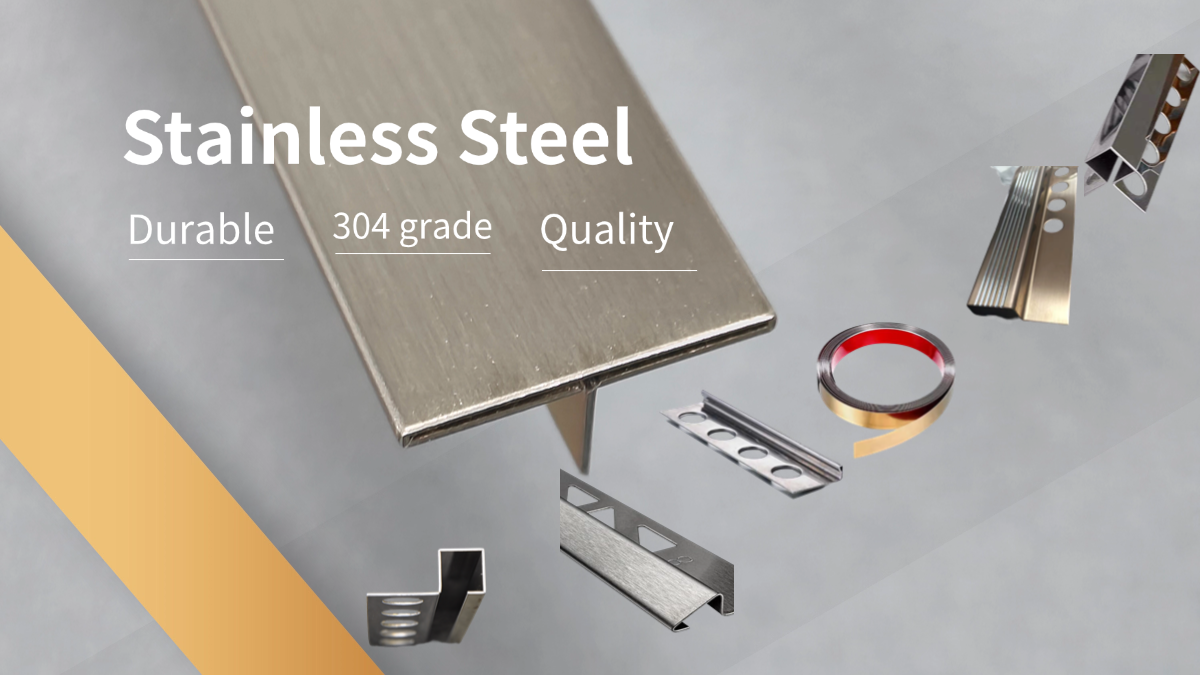
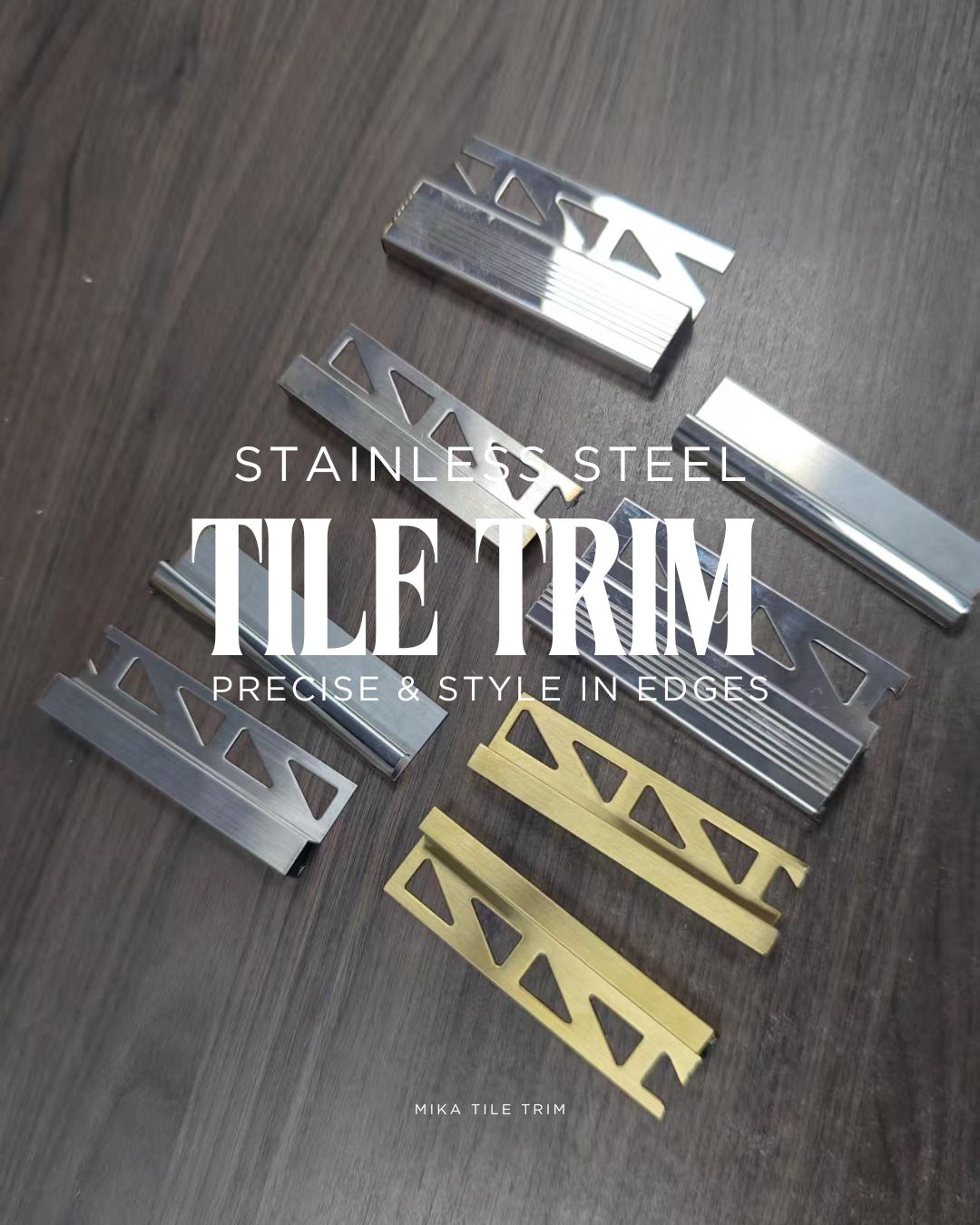
The surface types of stainless steel plates are rich and varied, and the common ones are as follows:
According to the original processing state
2E surface: The processing type is cold rolling with oxide skin, heat treatment, and descaling. The surface state is rough and matte, suitable for structural parts with high thickness accuracy and high surface roughness requirements or cold-rolled alternative products.
2D surface: It is processed by cold rolling, heat treatment, pickling or descaling, and the surface is uniform and matte. This matte surface is produced by pickling and can be flattened with a rough roller, which is convenient for retaining lubricants on the surface of the steel plate during deep drawing. It is suitable for processing deep-drawn parts, but polishing is usually required after forming.
2B surface: On the basis of cold rolling, heat treatment, pickling or descaling, it is also brightly processed. It is smoother and straighter than the 2D surface. It is the most commonly used surface processing type and can be used for any purpose except extremely complex deep drawing.
BA surface: After cold rolling, bright annealing is carried out in a controlled atmosphere furnace, and the surface is smooth, bright and reflective. Dry hydrogen or a mixed atmosphere of dry hydrogen and dry nitrogen is usually used to prevent oxidation during the annealing process, and it is also a common surface processing for post-processing.
Surface technology of stainless steel sheet.jpg
According to the surface treatment process
Mirror (8K) surface: Through machine polishing, the surface of the stainless steel sheet is bright and shining, like a mirror, with high reflectivity, non-directional texture, and clear image. It is widely used in molded plates and mirror panels, etc., and is often used in architectural decoration, elevator decoration, industrial decoration and other fields with high requirements for appearance.
Wire drawing, snowflake sand, and ordinary sand surface: These three surfaces can be collectively referred to as frosted surfaces, mainly because the surface sand grains are different. The sand grains of wire drawing are the coarsest and longest, followed by ordinary sand, and the sand grains of snowflake sand are the smallest and finest. It has a matte effect, with silky or dotted textures on the surface, which looks more textured, and is more wear-resistant than bright stainless steel. It is often used in decoration, kitchenware and other fields.
Sandblasting surface: Use mechanical equipment to spray zirconium beads and other particles onto the surface of the stainless steel plate, so that the plate surface presents a fine bead-like sand surface, forming a unique decorative effect. It is divided into matte sandblasting and bright sandblasting. Matt sandblasting is performed when the plate is 2B surface, and bright sandblasting is performed after grinding into a mirror surface.
Random grain (and grain) surface: The surface of the processed stainless steel plate will show circles of sand grains from a distance, while from a close distance it is irregular random grains. It is ground by irregular swinging of the grinding head up and down, left and right, and then electroplated and colored. It can be used for decoration to increase the unique visual effect.
Embossed (embossed) surface: Various patterns are pressed on the surface of the stainless steel plate by pressure equipment, such as small diamonds, cubes, squares, panda patterns, etc., usually processed with coils, and then flattened, used in architectural decoration, interior decoration and other fields, which can increase the beauty and anti-slip properties of the plate.
Titanium-plated surface: Titanium is plated on the surface of stainless steel that has been basically treated, which can present a variety of colors, such as yellow titanium, rose gold, sapphire blue, etc. It is widely used in the decoration industry, such as hall wall panels, ceilings, elevator car panels, etc.
Etched surface: Chemical agents are used to treat the surface of stainless steel to make it uneven, or to form specific text or patterns. You can do the color first and then etch, or you can etch first and then do the color. The etched pattern can be customized according to customer requirements. It is often used in art decoration, logo production and other fields.
Titanium-removed surface: Titanium is first plated on the plate, and then the color is removed at the designated location to achieve a specific pattern and shape. It is often used in some decorative applications that require special patterns or design effects.
Laser surface: Various patterns, text or textures are made on the surface of stainless steel through laser technology. It has high precision, high definition and unique visual effects. It is often used in high-end decoration, gifts, electronic products and other fields.
Fingerprint-free surface: A layer of oil is attached to the surface of the stainless steel plate, and after drying, it can achieve the effect of anti-fingerprint and anti-oxidation, so that it is not easy to leave fingerprints on the surface of the plate, keep it beautiful and clean, and it is often used for some stainless steel products that are often touched, such as door handles, elevator buttons, etc.
Film surface: The printed film products are compounded to the surface of the stainless steel plate by pasting, which can produce very exquisite patterns and patterns, with good decorative and protective properties, and can be used in interior decoration, furniture, electrical appliances and other fields.
Copper-plated surface: Copper is plated on the surface of stainless steel to show the color and texture of copper, such as titanium-plated bronze, water-plated bronze, water-plated red copper, etc. Some customers require the plate to be old and antique, and the copper-plated surface treatment can meet such needs. It is often used in some places with retro style or special decoration requirements.